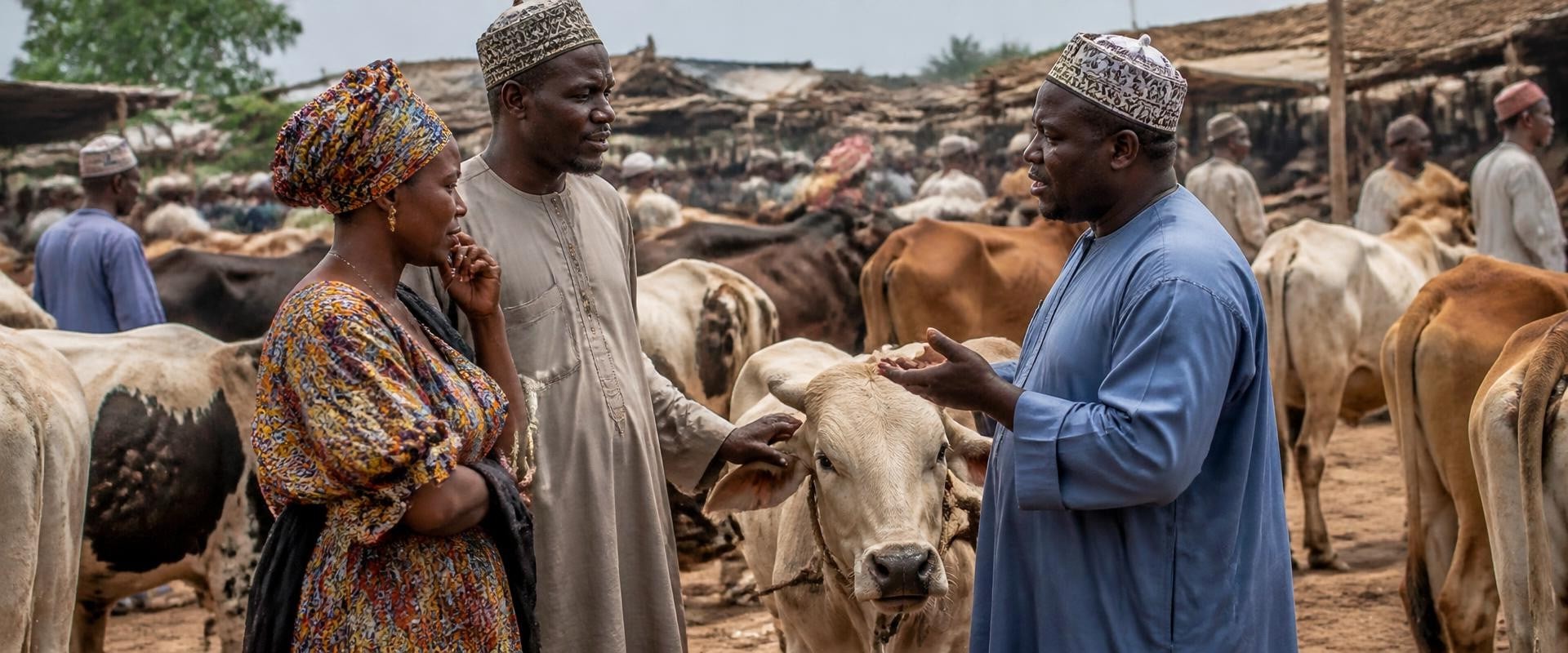
Livestock trading is a vital component of the agricultural economy, serving as a bridge between producers and consumers. This dynamic market involves the buying and selling of various types of livestock, including cattle, sheep, pigs, and poultry. Understanding the intricacies of livestock trading is essential for anyone involved in agriculture, as it not only influences pricing but also impacts food supply chains and consumer choices. The livestock market operates on principles similar to other commodities, where supply and demand dictate prices. However, what sets livestock trading apart is the significant role that consumer preferences play in shaping market trends.
As consumers become more health-conscious and environmentally aware, their choices directly affect which types of livestock are in demand. For instance, the rising popularity of organic and grass-fed meat has led to a shift in production practices among farmers and ranchers. Moreover, fluctuations in consumer preferences can lead to rapid changes in the livestock trading landscape. Factors such as dietary trends, ethical considerations regarding animal welfare, and even cultural influences can sway purchasing decisions. As a result, traders must stay attuned to these evolving preferences to remain competitive in the market.
This section will delve deeper into how these consumer behaviors not only influence livestock prices but also drive innovation within the industry.
The Role of Consumer Preferences in Livestock Trading
Consumer preferences play a pivotal role in shaping the dynamics of livestock trading. As consumers become more informed about their food choices, their preferences increasingly dictate the types of livestock that are in demand. This shift not only influences what farmers raise but also how traders operate within the market.One significant trend is the growing demand for organic and sustainably raised livestock. Consumers are increasingly concerned about animal welfare and environmental impact, leading to a preference for livestock that is raised under humane conditions and with minimal ecological footprint.This has resulted in a surge in the trading of organic livestock, as producers adapt to meet these consumer demands.Additionally, the rise of plant-based diets has altered traditional livestock demand trends. As more individuals adopt vegetarian or vegan lifestyles, there is a noticeable decline in the demand for certain types of meat. This shift forces traders to reconsider their strategies and focus on alternative protein sources or niche markets that cater to health-conscious consumers.
- Health Trends: The increasing awareness of health issues related to red meat consumption has led to a preference for leaner meats such as poultry and fish. This change impacts trading volumes and prices across different livestock categories.
- Ethical Considerations: Consumers are more likely to support brands that align with their ethical beliefs, prompting traders to source livestock from farms that prioritize animal welfare.
- Local Sourcing: There is a growing trend towards local sourcing, where consumers prefer to buy livestock products from nearby farms.
This preference can enhance local trading opportunities while reducing transportation costs.
Factors Influencing Consumer Preferences
Understanding the factors influencing consumer preferences is crucial for anyone involved in livestock trading. These preferences are shaped by a variety of elements that reflect changing societal values and individual priorities.Health Trends One of the most significant factors is the growing awareness of health and nutrition. Consumers are increasingly seeking leaner meats and products that are free from antibiotics and hormones.This shift has led to a rise in demand for organic and grass-fed livestock, prompting traders to adapt their offerings accordingly.Ethical Considerations Ethical concerns also play a pivotal role in shaping consumer behavior. Many buyers are now prioritizing animal welfare, leading to a preference for livestock sourced from farms that adhere to humane treatment practices. This trend has resulted in a market for certified humane products, which can command higher prices in livestock trading.Environmental Concerns The impact of livestock farming on the environment cannot be overlooked. As awareness of climate change grows, consumers are becoming more conscious of the carbon footprint associated with meat production.
This has led to an increase in demand for sustainably raised livestock, which is perceived as a more environmentally friendly option.Trends in Meat Consumption Additionally, trends in meat consumption are evolving. The rise of plant-based diets and alternative protein sources is influencing traditional meat markets. Consumers are exploring options like lab-grown meats and plant-based substitutes, which are reshaping the landscape of livestock trading. Traders must stay informed about these trends to remain competitive. In conclusion, the interplay of health trends, ethical considerations, environmental concerns, and evolving consumption patterns significantly impacts consumer preferences in livestock trading.
Understanding these factors is essential for traders aiming to meet market demands effectively.
Market Trends Driven by Consumer Preferences
In recent years, the livestock trading industry has experienced significant shifts, largely driven by evolving consumer preferences. As consumers become more health-conscious and environmentally aware, their choices directly influence market trends and trading practices.Health and Wellness Trends
- There is a growing demand for grass-fed and organic meat, which has led to an increase in the trading of livestock that meet these criteria.
- Consumers are increasingly seeking transparency regarding the origins of their food, prompting traders to provide detailed information about livestock sourcing and farming practices.
Sustainability and Ethical Considerations
- The rise of the sustainable agriculture movement has shifted consumer preferences towards livestock that are raised with ethical practices, impacting trading dynamics.
- As a result, livestock traders are adapting their strategies to include more sustainable options, which can often command higher prices in the market.
Technological Advancements
- The integration of technology in livestock trading has allowed for better tracking of consumer preferences through data analytics, enabling traders to respond swiftly to market demands.
- Online platforms for livestock trading have emerged, making it easier for consumers to access a wider variety of ethically sourced products.
As consumer preferences continue to evolve, staying attuned to these trends will be crucial for success in the competitive landscape of livestock trading.
Case Studies: Successful Adaptations in Livestock Trading
In the dynamic world of livestock trading, businesses that successfully adapt to shifting consumer preferences often set themselves apart from the competition. Here are a few notable case studies that illustrate how strategic adjustments can lead to success.Case Study 1: Green Pastures Farm
Green Pastures Farm, a family-owned operation in the Midwest, recognized a growing demand for organic and grass-fed beef. By transitioning their livestock management practices to focus on organic certification and sustainable grazing methods, they not only improved their product quality but also tapped into a lucrative market segment. Their sales increased by 40% within two years, demonstrating the financial benefits of aligning with consumer preferences.Case Study 2: Urban Livestock Co.
Urban Livestock Co., based in an urban area, capitalized on the trend of local sourcing.They established partnerships with local restaurants and farmers' markets to supply fresh, locally raised poultry. By emphasizing transparency in their farming practices and promoting the health benefits of locally sourced meat, they built a loyal customer base. Their innovative marketing strategies led to a 30% increase in revenue over three years.
Case Study 3: Heritage Breeds Alliance
The Heritage Breeds Alliance focused on preserving traditional livestock breeds that are often overlooked in modern farming. By educating consumers about the unique flavors and sustainability of heritage meats, they created a niche market.Their commitment to biodiversity resonated with environmentally conscious consumers, resulting in a 50% growth in their customer base within just one year.These case studies highlight that understanding and adapting to consumer preferences is crucial for success in livestock trading. Businesses that prioritize sustainability, local sourcing, and education can not only thrive but also contribute positively to the agricultural landscape.
Challenges Faced by Livestock Traders Due to Changing Preferences
The landscape of livestock trading is undergoing significant transformation, primarily driven by evolving consumer preferences. As consumers become more health-conscious and environmentally aware, livestock traders face a myriad of challenges that require swift adaptation.Shifting Consumer Demands
- Many consumers are now prioritizing sustainable practices and ethical sourcing, which can complicate traditional trading methods.
- The rise in popularity of plant-based diets has led to decreased demand for certain types of meat, forcing traders to rethink their inventory and marketing strategies.
Market Volatility
- As preferences shift, the market can become volatile, with prices fluctuating based on consumer trends. This unpredictability poses a significant risk for traders who must manage their investments carefully.
- Traders may find themselves with excess stock that does not align with current consumer preferences, leading to potential losses.
Regulatory Challenges
- In response to changing consumer demands, governments may implement new regulations regarding animal welfare and environmental impact.
Traders must stay informed and compliant, which can be resource-intensive.
- Failure to adapt to these regulations can result in penalties or loss of market access, further complicating the trading landscape.
Adapting to New Trends
- To remain competitive, livestock traders must invest in research and development to understand emerging trends and consumer preferences.
- This may involve diversifying their offerings or enhancing transparency in their supply chains to meet consumer expectations for quality and sustainability.
Future Outlook: The Evolution of Livestock Trading Amidst Consumer Trends
The landscape of livestock trading is undergoing significant transformation as consumer preferences evolve. As awareness of health, sustainability, and ethical considerations grows, the demand for specific types of livestock products is shifting. This section explores the future outlook of livestock trading in light of these changing consumer trends.1.Rise of Sustainable Practices
- Consumers are increasingly favoring products that are sourced from sustainable and humane farming practices.
This trend is pushing livestock traders to adopt more transparent and ethical sourcing methods.
- As a result, we can expect a rise in demand for organic and grass-fed livestock, which may lead to higher prices for these products in the market.
2.Health-Conscious Choices
- The growing focus on health has led consumers to seek out leaner meats and alternative protein sources. This shift is likely to impact the types of livestock that are prioritized in trading.
- For instance, there may be an increased interest in poultry and fish over traditional red meats, prompting traders to adjust their inventories accordingly.
3.Technological Integration
- Advancements in technology are also shaping the future of livestock trading. Digital platforms for trading livestock are becoming more prevalent, allowing for greater efficiency and transparency.
- These platforms can provide real-time data on market trends and consumer preferences, enabling traders to make informed decisions about their stock.
4.Predictions for the Livestock Market
- Experts predict that as consumer preferences continue to evolve, the livestock market will see a diversification of products offered. Traders may need to adapt by incorporating more niche markets such as specialty meats or plant-based alternatives.
- The integration of sustainability into trading practices is expected to become a competitive advantage, influencing both pricing strategies and consumer loyalty.
Traders who stay ahead of these trends by embracing sustainability, health-conscious choices, and technological advancements will likely thrive in this dynamic market environment.
FAQs About Consumer Preferences and Livestock Trading
Understanding consumer preferences is crucial for anyone involved in livestock trading. Here are some frequently asked questions that shed light on this dynamic relationship:- How do consumer preferences influence livestock prices?
Consumer demand for specific types of meat, dairy, or other livestock products can significantly affect market prices. For instance, if there is a surge in demand for organic beef, prices for organic cattle may rise, impacting overall livestock trading strategies. - What role does sustainability play in consumer choices?
More consumers are prioritizing sustainability in their purchasing decisions. This shift means that livestock traders must consider environmentally friendly practices and certifications to meet market demands. - Are there regional differences in consumer preferences?
Yes, consumer preferences can vary widely by region.For example, urban areas may show a higher preference for specialty meats or organic products compared to rural areas where traditional livestock products dominate.
- How can livestock traders adapt to changing consumer trends?
Staying informed about market trends through research and consumer feedback is essential. Traders can also diversify their offerings to include products that align with current consumer interests, such as grass-fed or hormone-free options.